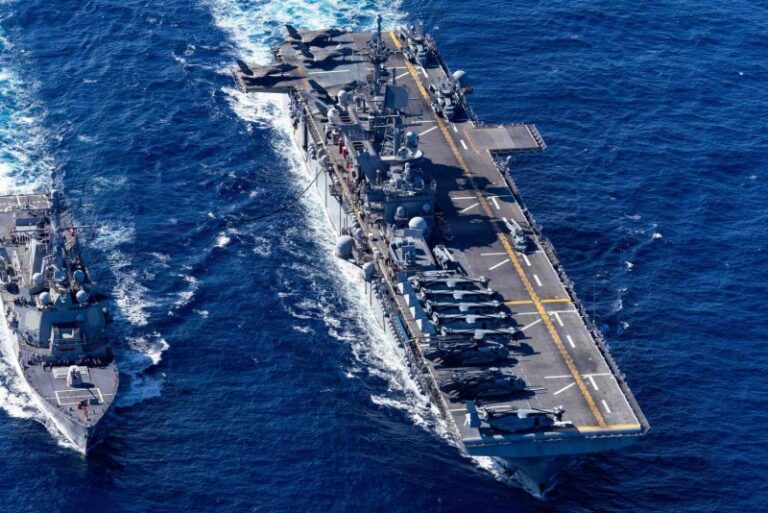
On Sunday, November 30, 2025, the grey horizon of the Solent was broken by the silhouette of a giant. After seven gruelling but triumphant months at sea, HMS Prince of Wales returned to HMNB Portsmouth, marking the conclusion of the monumental Carrier Strike Group 25 (CSG 25) deployment, known operationally as Operation Highmast. As the 65,000-tonne leviathan navigated the narrow entrance to the harbour, thousands of spectators, family members, and friends lined the cold November seawalls, their cheers mingling with the roar of a ceremonial flypast.
For the nearly 4,000 sailors, aviators, and marines aboard, this moment marked the end of an odyssey that spanned 223 days and covered over 40,000 nautical miles. The homecoming was a spectacle of naval tradition and raw emotion. Two Merlin helicopters and a Wildcat escorted the carrier in formation, while tugboats sprayed towering arcs of water in a traditional salute. On the flight deck, the ship’s company stood shoulder-to-shoulder in “Procedure Alpha,” their white caps standing out against the dark runway, offering a human face to the massive projection of British naval power.

A Milestone for British Air Power
Operation Highmast was not merely a flag-waving exercise; it was a rigorous test of the Royal Navy’s renewed capabilities. The deployment saw the UK Carrier Strike Group reach “Full Operating Capability” (FOC), a status that defence analysts and military leaders have been working toward for over a decade. For the first time, a Queen Elizabeth-class carrier deployed with a full compliment of 24 F-35B Lightning II stealth fighters.
The air wing, a potent mix of the RAF’s 617 Squadron (The Dambusters) and the Royal Navy’s resurgent 809 Naval Air Squadron, had already departed the ship in the days leading up to the arrival. The stealth fighters returned to RAF Marham earlier in the week, while the helicopter squadrons—Merlin HM2s and Wildcats—dispersed to RNAS Culdrose and RNAS Yeovilton on Saturday. However, their absence on the deck during arrival did nothing to diminish the achievement. At its peak, HMS Prince of Wales hosted a record-breaking 26 F-35Bs simultaneously, as jets from the U.S. Marine Corps and the Italian Navy landed aboard to prove interoperability.
Diplomacy and Deterrence
The strategic footprint of CSG 25 was vast. Leading a flotilla that worked with over 30 different nations, Commodore James Blackmore, Commander of the UK Carrier Strike Group, described the mission as a testament to allied cohesion. “The Strike Group has come home stronger for NATO than it departed,” Blackmore stated upon arrival. “It has been a privilege to lead the nearly 4,000 personnel… working with over 30 nations en route.”
The deployment included historic firsts. In the Pacific, the group engaged in cross-decking operations with the Japan Maritime Self-Defense Force, landing British jets on the JS Kaga—the first time a British fighter has operated from a Japanese warship. Further south, the group made a landmark port call in Darwin, Australia, the first visit by a Royal Navy carrier to the country since 1997. This visit was underscored by the presence of UK Defence Secretary John Healey, signalling a tightening of defence ties in the Indo-Pacific.
In India, the carrier group participated in high-intensity war games where Indian Su-30 Flankers and Jaguars squared off against British F-35s, providing invaluable data on how Western 5th-generation technology fares against Eastern-bloc airframes.
Challenges in the Red Sea and Beyond
The journey was not without its perils. The geopolitical landscape of 2025 proved volatile, particularly during the group’s transit through the Red Sea and the Suez Canal. With Houthi militants continuing to threaten commercial and military shipping, the CSG adopted an aggressive defensive posture.
HMS Dauntless, the Type 45 air defence destroyer that acted as the carrier’s primary shield, maintained a round-the-clock vigil. Its embarked Wildcat helicopter sat on the flight deck armed with Martlet missiles, ready to launch at a moment’s notice to intercept drone or small boat attacks. To further secure the passage, the RAF surged aircraft to RAF Akrotiri in Cyprus to provide a 24/7 “God’s-eye” overwatch of the fleet.
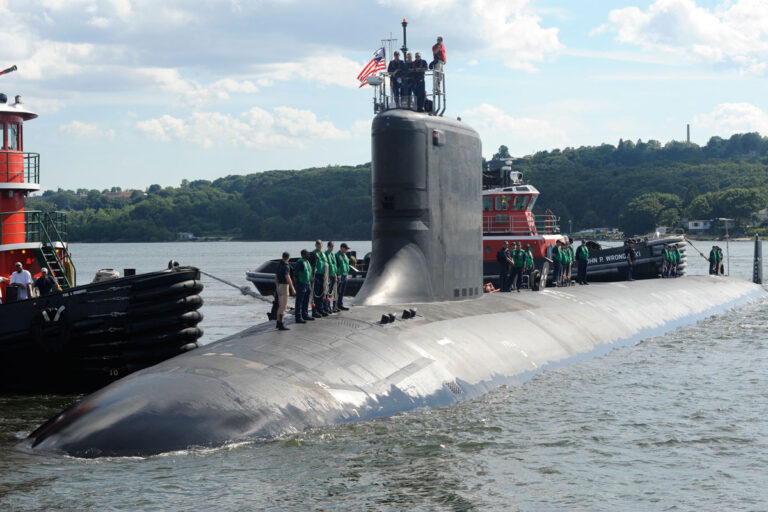
There were also technical and logistical hurdles. Mechanical reliability issues with the high-tech F-35 fleet resulted in two high-profile diversions to land bases, including one incident where a jet was stranded in India for over a month awaiting repairs. Furthermore, open-source intelligence analysts noted a concerning gap in the formation: the apparent absence of a Royal Navy Astute-class submarine escort for much of the voyage. While official channels remain silent on submarine operations, it is speculated that the Royal Navy had to rely on allied underwater support to screen the carrier, highlighting ongoing availability struggles within the UK’s submarine service.
Economic Wins and Cornish Pasties
Beyond the hard power, the deployment was a floating trade show for “Global Britain.” The ship hosted 28 VVIP events and showcased 82 British companies to foreign markets. Estimates suggest that these diplomatic soirées could generate up to £17 billion in export interest, justifying the carrier’s massive operational costs to the taxpayer.
But for the crew, the highlights were likely more personal. After months of ration packs and galley food, the crew of HMS Dauntless received a uniquely British morale boost as they entered the English Channel. As the destroyer passed Cornwall, a Wildcat helicopter flew out a special delivery: fresh Cornish pasties for the entire ship’s company, ensuring they arrived in Portsmouth with full stomachs and high spirits.
Looking to the Future
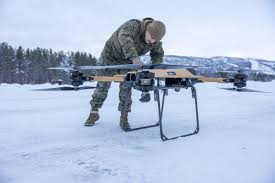
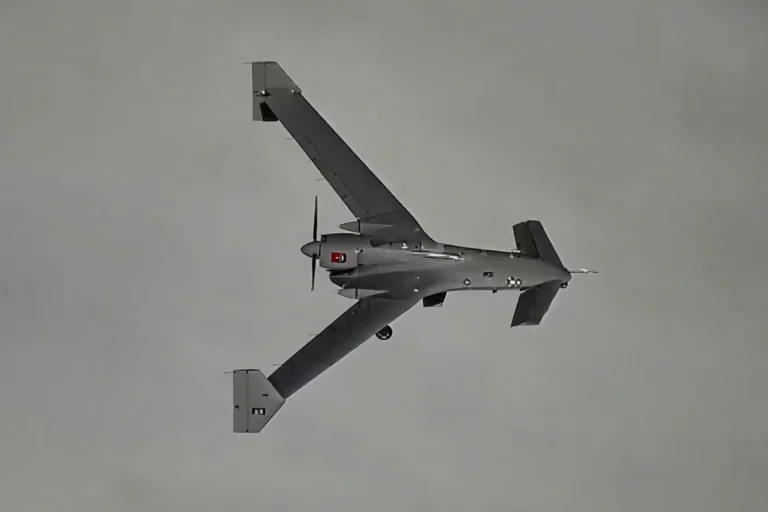
As the families reunite on the dockside and the engines of HMS Prince of Wales wind down, the Royal Navy is already looking at the horizon. The next major carrier deployment to the Indo-Pacific is slated for 2029. By then, the composition of the air wing may look radically different. Plans are already in motion to integrate “loyal wingman” drones and uncrewed surface vessels into the fleet, building on the experiments with Malloy T-150 cargo drones conducted during this trip.
For now, however, the focus is on rest and refit. Operation Highmast has proven that the United Kingdom can once again project credible, sustained, and decisive air power to the other side of the world and bring it home safely.
About The Author