The Vietnam War produced many fierce battles, but few matched the intensity and controversy of the Battle of Khe Sanh. Unfolding in the rugged hills of northwestern South Vietnam near the Laotian border, this 77-day clash in early 1968 became a symbol of American resolve—and a lightning rod for debate about the war’s direction.
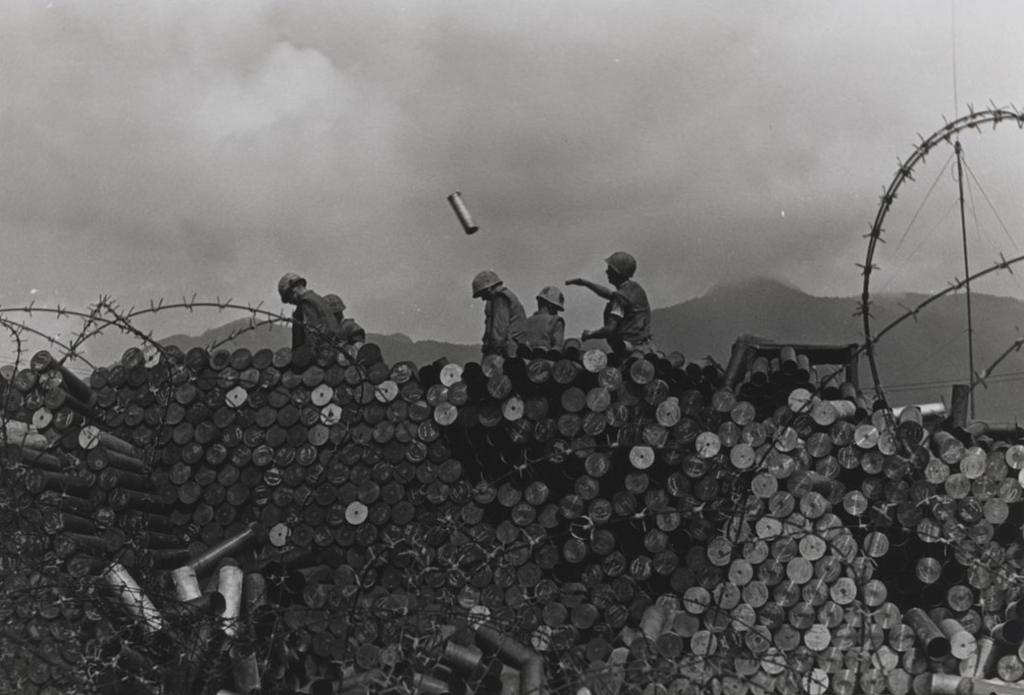
It all began on January 21, 1968, when North Vietnamese Army (NVA) forces launched a surprise series of attacks on U.S. strongholds scattered around the Khe Sanh region. American commanders were caught off guard. Outnumbered and outmaneuvered in the initial assaults, U.S. forces were ordered to fall back to the main combat base at Khe Sanh, a remote outpost manned primarily by U.S. Marines.
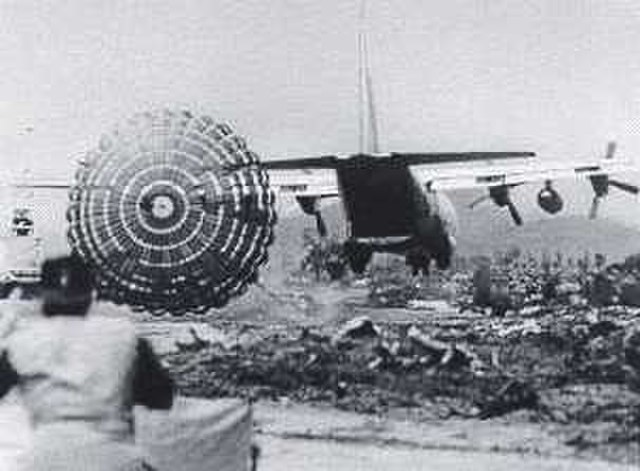
What followed was a classic siege. The NVA quickly encircled the base, severing all ground supply routes. For the next several weeks, the 6,000 Marines and supporting troops inside Khe Sanh endured relentless artillery, rocket, and mortar fire—sometimes hundreds of rounds a day. Food, ammunition, and medical supplies dwindled. Resupply came only by air, with C-130s and helicopters braving anti-aircraft fire to parachute in critical cargo under the cover of darkness or fog.
The situation looked dire. Many feared Khe Sanh would become another Dien Bien Phu—the 1954 French defeat that ended colonial rule in Indochina. General William Westmoreland, commanding U.S. forces in Vietnam, saw it differently. He viewed Khe Sanh as a chance to draw the NVA into a set-piece battle where American airpower and artillery could inflict massive casualties.
And inflict they did. Operation Niagara, one of the largest aerial bombardments of the war, saw B-52 Stratofortresses drop over 100,000 tons of bombs around the base. Fighter-bombers flew thousands of sorties. Marine artillery fired round-the-clock. The ground shook constantly.
For weeks, the outcome hung in the balance. NVA sappers tunneled close to the perimeter. Trenches snaked toward Marine positions. Human wave assaults were repelled at point-blank range. Casualties mounted on both sides.
Then, in early March 1968, the tide turned. U.S. and South Vietnamese counterattacks, supported by massive air and artillery strikes, began pushing the NVA back. Hill outposts were retaken. Supply lines reopened. By April 1, 1968, after 77 grueling days, the siege was officially lifted. American forces declared Khe Sanh secure.
But victory came at a staggering cost. Over 10,000 soldiers were killed—thousands of NVA troops, along with 205 U.S. Marines (official count, though some estimates are higher when including wounded who later died). The base itself was left in ruins, its runway pockmarked with craters, bunkers collapsed, and the surrounding jungle stripped bare by bombs.
In the aftermath, the base was quietly abandoned just months later in June 1968 as part of a strategic redeployment—an ironic epilogue that fueled even more debate.
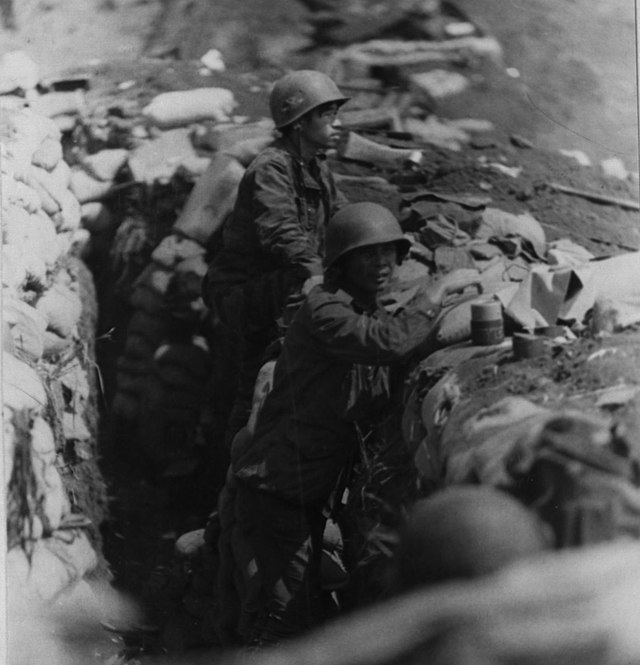
Was Khe Sanh a turning point in the war?
Some said yes. Westmoreland called it a major defeat for the NVA, claiming they lost up to 15,000 men—numbers meant to show that communist forces could be crushed in open combat. Supporters argued it prevented a larger invasion across the DMZ and bought time for pacification efforts in the south.
Others saw it as a costly distraction. Critics pointed out that while 30,000+ NVA troops tied down U.S. forces at Khe Sanh, the real blow came elsewhere: the Tet Offensive, launched on January 30, 1968, struck cities and towns across South Vietnam. Though militarily repelled, Tet shattered public confidence in the war back home.
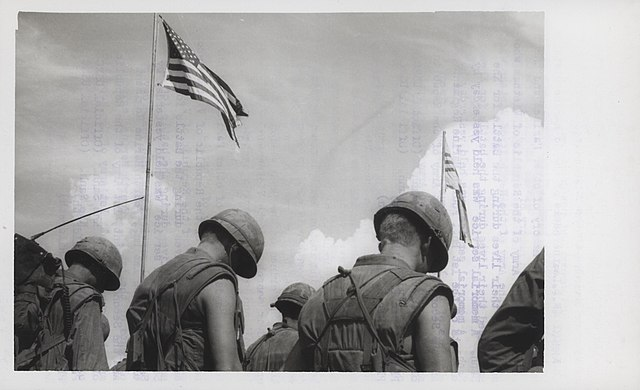
In the end, Khe Sanh became less about terrain and more about perception. It was a brutal test of endurance for the Marines who held the line—and a microcosm of the war’s larger contradictions.
Today, the battle is remembered not just for its ferocity, but for its legacy. Every year, on January 21, a memorial service is held at the Vietnam Veterans Memorial Wall in Washington, D.C. Veterans, families, and visitors gather to honor the fallen of Khe Sanh and all who served in Vietnam. The black granite wall, etched with over 58,000 names, stands as a solemn reminder of the human toll.
For the survivors of Khe Sanh, the siege was more than a battle. It was 77 days of hell—cold, wet, hungry, under fire, never knowing if the next shell had their name on it. They held because they had to. They fought because retreat wasn’t an option.
And decades later, the question still lingers: Was Khe Sanh worth it?
There’s no single answer. But for those who were there, the courage, sacrifice, and brotherhood forged in the red dirt of that forgotten hill remain undeniable.
About The Author